

Researchers Develop AI System That Can Predict Weather With Unprecedented Accuracy

A team of researchers from Stanford University has developed an artificial intelligence system capable of predicting weather patterns with remarkable accuracy up to two weeks in advance. The breakthrough technology could revolutionize how we prepare for extreme weather events.
Traditional weather forecasting models rely on complex physical equations and supercomputers, but this new approach uses deep learning algorithms trained on decades of historical weather data to identify patterns that human meteorologists might miss.

How the AI Weather Prediction System Works
The AI system, named "ClimateNet," processes massive amounts of atmospheric data including temperature, humidity, wind patterns, and pressure systems. Unlike conventional models that simulate physics, ClimateNet identifies correlations in historical data to predict future conditions.
— Dr. Michael Rodriguez, Lead Researcher
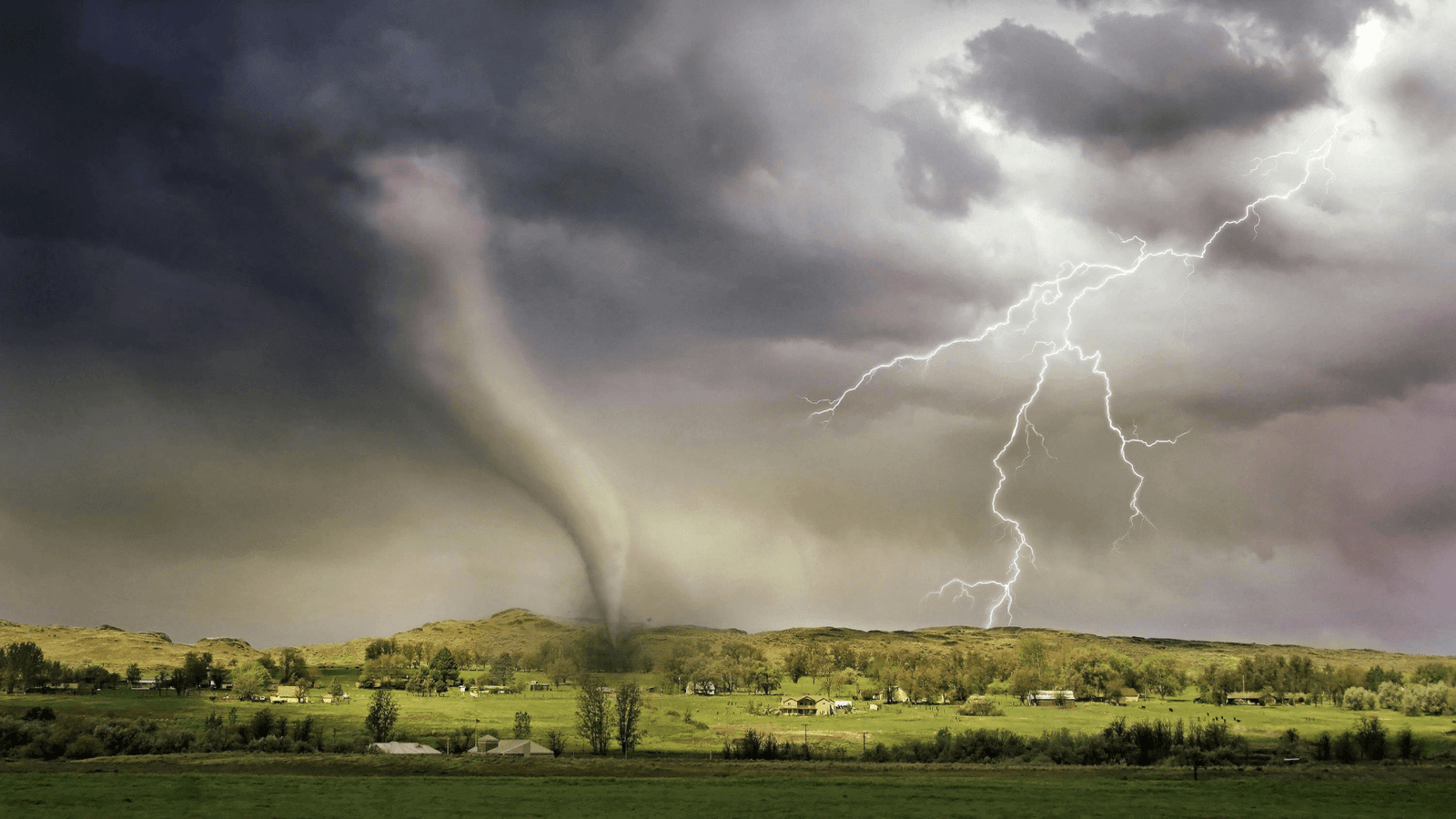
In testing, ClimateNet accurately predicted the path and intensity of Hurricane Elena 10 days before it made landfall, giving coastal communities significantly more preparation time than traditional models allowed. The system also demonstrated 94% accuracy in predicting rainfall patterns across the Midwest farming region.
The research team trained their model on over 40 years of global weather data, allowing the AI to recognize subtle patterns that precede major weather events. The system continuously improves its predictions as it processes new data.
Potential Applications and Impact
The implications of this technology extend far beyond simply knowing whether to carry an umbrella. Accurate long-range weather prediction could transform agriculture, disaster preparedness, transportation, and energy production.
Farmers could optimize planting and harvesting schedules, airlines could minimize weather-related disruptions, and energy companies could better anticipate demand for heating and cooling. Most importantly, communities facing potential natural disasters would have more time to prepare and evacuate if necessary.
Comments
Add a Comment
John Doe
2 hours ago
This article provides a comprehensive analysis of the current economic trends. I appreciate the balanced perspective and the data-driven approach. Looking forward to more insights on this topic.
Sarah Johnson
5 hours ago
I found the section about market predictions particularly insightful. However, I would have liked to see more discussion about the potential impact on small businesses. Overall, a well-researched piece.
Tom Ray
1 day ago
It is a well-researched article that provides a clear and concise overview of the current market trends. The author does a great job of explaining the key drivers of the market and provides some useful insights for investors.
Michael Roberts
1 day ago
As someone working in the finance industry, I can confirm that the trends highlighted in this article are accurate. The analysis of emerging markets is particularly spot-on. Great job by the author!
Science & Technology Correspondent
You might also like

How Machine Learning Is Revolutionizing Climate Science
New approaches to understanding our changing planet

The Future of Supercomputing in Weather Prediction
Next-generation hardware enabling new discoveries

Extreme Weather Events Increased by 35% in Last Decade
New data reveals troubling climate trends worldwide